

Support for The Accord
In 2013, we were a founding member of the Accord on Building and Fire Safety in Bangladesh (“The Accord”).
In 2023, we renewed our support for The Accord, by signing the International Accord for Health and Safety in the Textile and Garment Industry (“The International Accord”), which includes the following key features:
A commitment to focus on the health and safety program in Bangladesh, and on building a credible industry-wide compliance and accountability mechanism.
A commitment to expand the work of The International Accord based on feasibility studies of other markets.
An option to expand the scope of the agreement to address human rights due diligence.
An optional streamlined arbitration process to enforce terms of The Accord.
Sustainable sourcing
Seafood
Seafood
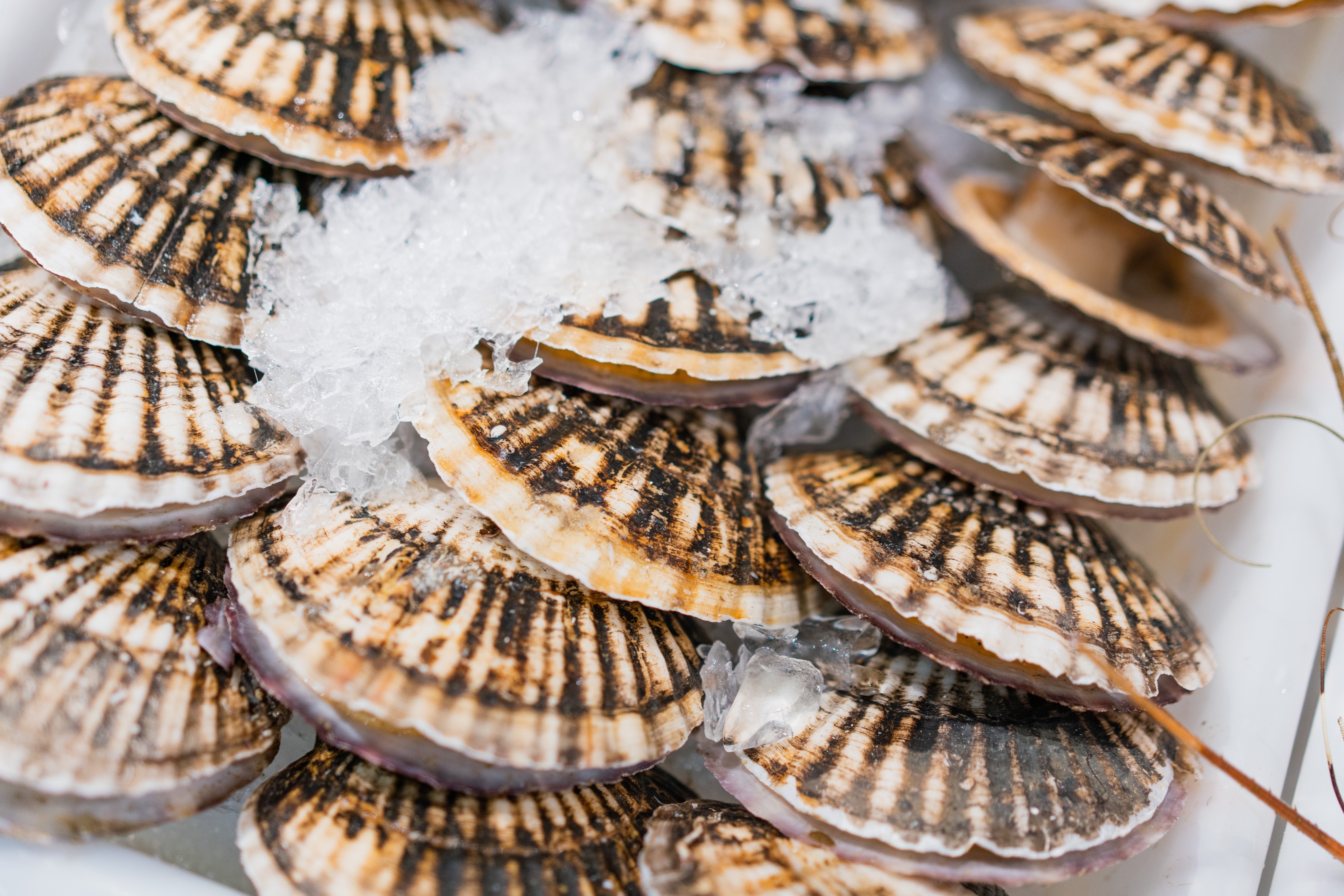
Loblaw is committed to sourcing seafood from sustainable sources. This commitment cuts across our business (excluding T&T®) and includes our control brands and national brands, in our canned, frozen and fresh wild and farmed seafood categories. We are proud to offer more than 100 control brand products with Marine Stewardship Council (“MSC”), Aquaculture Stewardship Council (“ASC”), or Best Aquaculture Practices (“BAP”) ecolabels across our stores.
Palm oil
Palm oil
We remain committed to aligning all Loblaw control brand products with one of the four Roundtable on Sustainable Palm Oil supply chain methods: Identity Preserved, Segregated, Mass Balance, or Book and Claim. We continue to work with our suppliers to evaluate and implement strategies to achieve full alignment with RSPO for Loblaw control brand products.
Coffee, tea and cocoa
Coffee, tea and cocoa
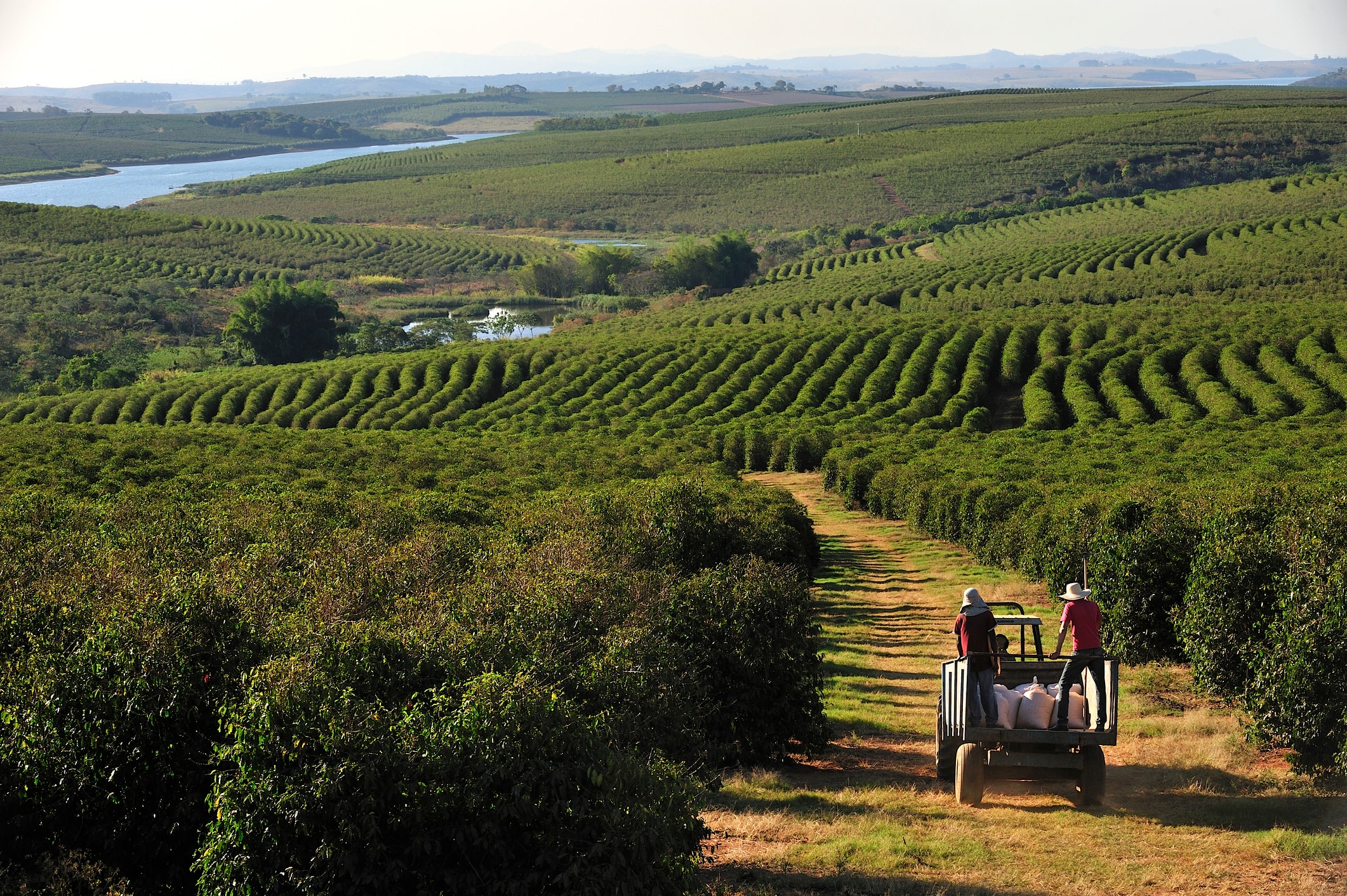
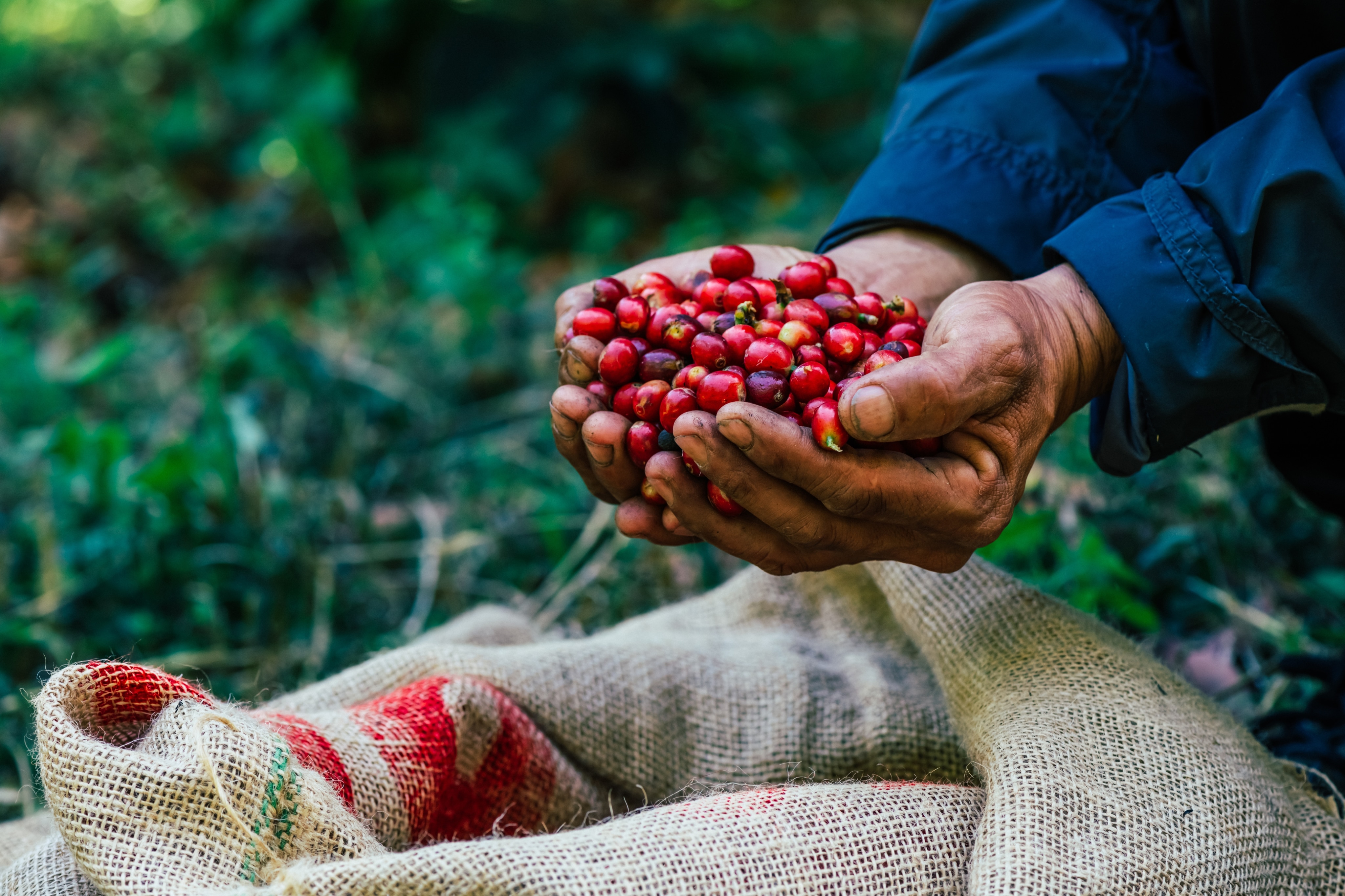
Sourcing Rainforest Alliance certified cocoa addresses concerns like aging tree stocks, improper use of chemicals, uncontrolled deforestation, labour conditions and low farmer incomes. By sourcing Fairtrade Certified ingredients, we support fairness for workers and farmers, while also investing in sustainable farming practices, community development projects, and social and physical infrastructure to empower the next generation of farmers.

Cotton Initiatives
Cotton Initiatives
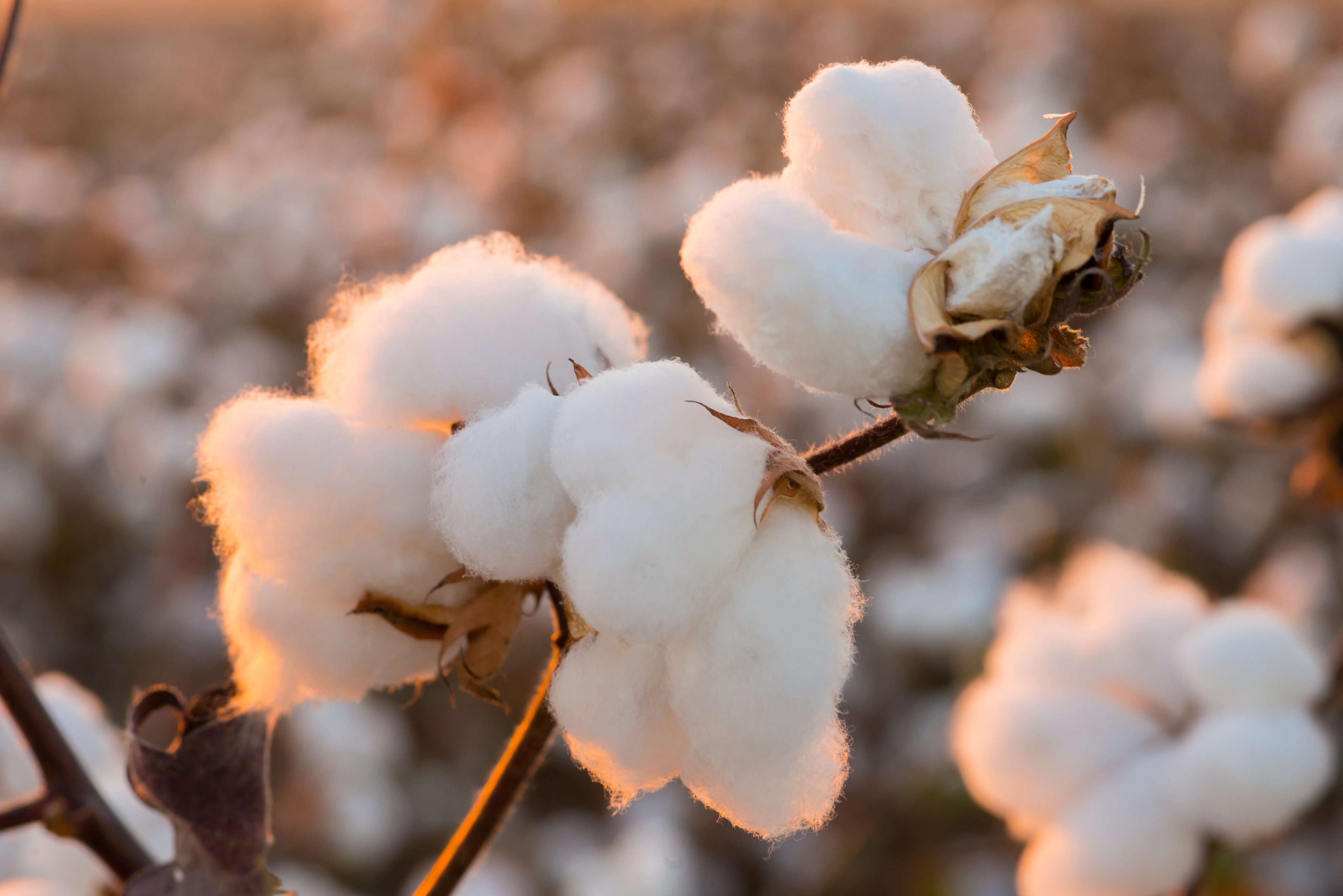
We are dedicated to supporting cotton farmers in their journey to operate more sustainably. Joe Fresh® is committed to converting 100% of its cotton-rich products to more sustainable cotton by 2025.
Joe Fresh® is committed to improving cotton farming practices globally with Better Cotton. Better Cotton’s mission is to help cotton communities survive and thrive, while protecting and restoring the environment. We have set a goal to source 35% of Joe Fresh product in a more sustainable cotton by 2025.
This includes converting such products to either Global Organic Textile Standard (“GOTS”) certified organic cotton or to Better Cotton. In 2021, we became a member of Better Cotton, which has a clear mission: “Help cotton communities survive and thrive, while protecting and restoring the environment.” We are pleased to report that in 2025 we increased our Better Cotton sourcing from 96% to 97%^1. Additionally, we sourced 3%^1 of our cotton as GOTS certified organic.
Responsible Wool
In 2024, Joe Fresh® began to introduce The Responsible Wool Standard (“RWS”) yarns into our assortment. The RWS is a voluntary standard that requires all sites, from wool farms to the seller in the final business-to-business transaction, to be certified. RWS farmers and ranchers are evaluated against animal welfare, land management, and social requirements set in the standard. In 2025, we used more than 3 metric tonnes^1 of RWS Yarn.
Certified Recycled Polyester
Joe Fresh®’s recycled polyester fabric is certified by GRS, which is recognized as the leading standard for recycled materials worldwide. It is made from post-consumer recycled plastics. GRS Certified recycled polyester is calculated using an estimated total fabric used in production yards. In 2025, we used more than 940 metric tonnes¹ of recycled polyester.
Responsible Viscose
In 2023, Joe Fresh® introduced responsible viscose products containing certified manmade cellulosic fibers (MMCFs) such as LENZINGTM ECOVEROTM Viscose, LENZINGTM TENCELTM Modal, or LENZINGTM TENCELTM Lyocell. Responsible viscose is derived from wood sources that are FSC® (Forest Stewardship Council) or PEFCTM (Programme for the Endorsement of Forest Certification) certified or are not known to be sourced from Ancient Endangered forests based on audits and other information. In 2025, we used more than 60 metric tonnes of responsible viscose.
¹The metrics disclosed for certified materials reflect Joe Fresh® branded products sourced from direct suppliers and are based on available data. Direct suppliers are defined as Tier 1 entities in the supply chain that have a contractual relationship to manufacture products sold under the Joe Fresh® brand.
Beef
Beef
We are committed to environmental, social and economic sustainability in the Canadian beef industry. The Canadian Roundtable for Sustainable Beef (“CRSB”) is committed to safeguarding wetland and grassland habitats, which are Canada’s most biodiverse habitats. Our support of organizations like CRSB and Ontario Corn Fed BeefTM provides a positive signal to farmers and ranchers that we value their responsible, climate protecting practices, and their role in climate-positive actions.
PC® Plant Based
PC® Plant Based
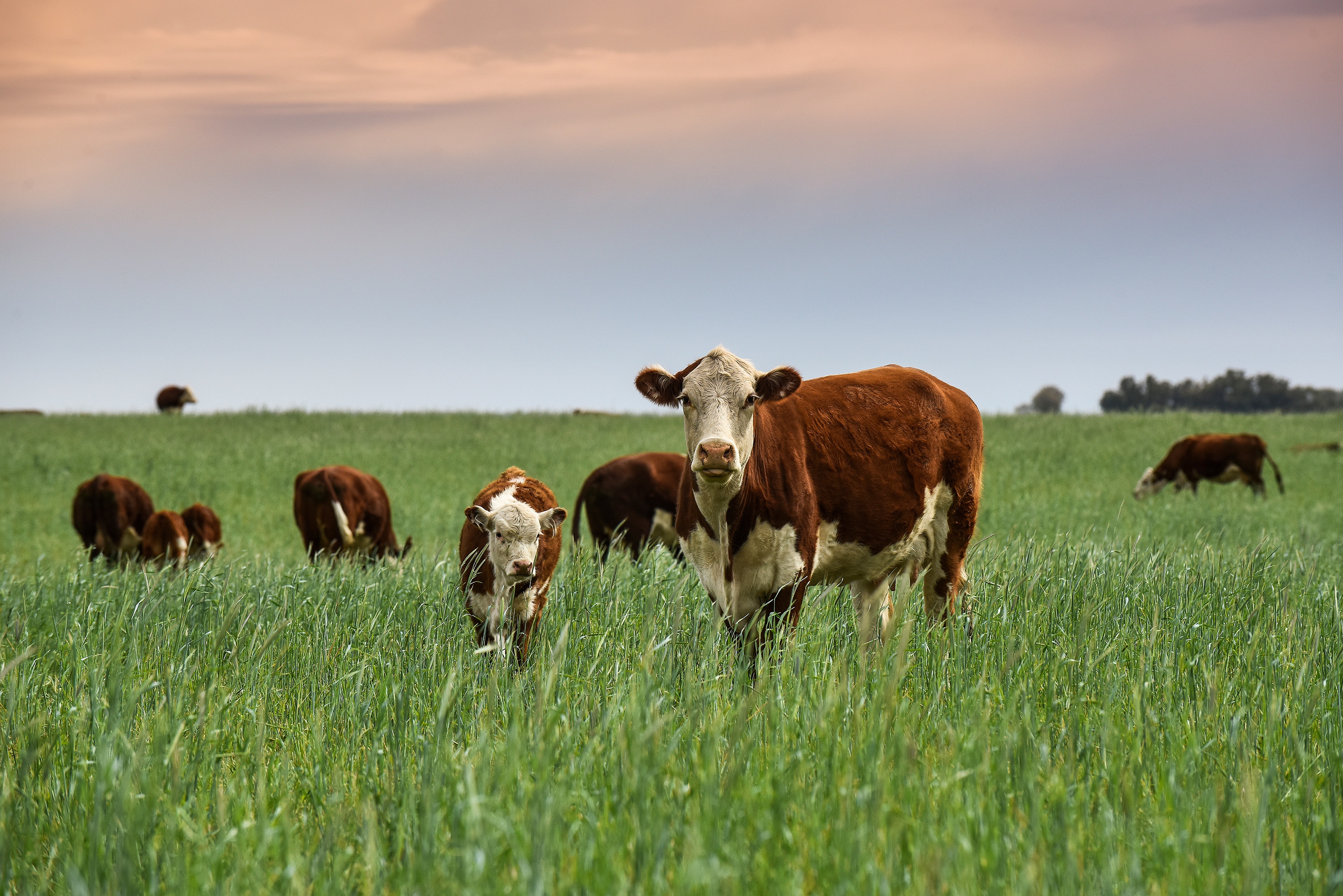
In 2025, we continued to meet the needs of our customers who are looking to reduce consumption of animal-based products by offering more than 40 PC® Plant Based products. Our PC® Plant Based products are third-party certified vegan and contain no animal by-products.
PC® Planet FirstTM
To meet the needs of our customers, in 2025 we expanded the PC® Planet FirstTM product lineup to include more than 35 products. Our new PC® Planet FirstTM Laundry Detergent Strips are formulated without parabens, and with less water than no name® Dirt Release Liquid Laundry Detergent (Fresh Scent), and our new PC® Planet FirstTM Toilet Bowl Cleaner Strips are formulated with less water than no name® Disinfectant Toilet Bowl Cleaner Liquid. These products have not been tested on animals, do not contain any animal or animal-derived ingredients, and are packaged in plastic-free packaging made with 100% post-consumer recycled paperboard, which reduces the use of virgin material.
PC® Organics Products
We have heard from many of our customers that they want products made with a reduced environmental impact and without any synthetic pesticides, fertilizers or genetically modified organisms (GMOs). All PC® Organics food products are third-party certified and meet Canadian Organic Standards, which emphasizes sustainability and a holistic approach to agriculture. Our PC® Organics soft home textiles are third-party certified to meet the Global Organic Textile Standard (GOTS). In 2025, the PC® Organics lineup included more than 560 products.
Simple CheckTM
Eating quality food should not cost more, that is why our no name® Simple CheckTM products are formulated based on our commitment to remove specific ingredients from our products. As at the end of 2025, the no name® Simple CheckTM product portfolio included more than 970 products. The Simple CheckTM symbol identifies no name® products made without these 10 ingredients:
synthetic colours¹
artificial flavours,
monosodium glutamate²
butylated hydroxyanisole (“BHA”)/butylated hydroxytolulene (“BHT”)/tert-butylhydroquinone (“TBHQ”),
hydrogenated oils,
artificial sweeteners,
sugar alcohols,
azodicarbonamide,
polydextrose,
brominated vegetable oil.
¹As defined in Canadian Regulations.
²Except those naturally occuring.
Loblaw Small Supplier Program
The Loblaw Small Supplier Program is designed to give emerging and locally focused suppliers the opportunity to bring their products to one of Canada’s most trusted retailers. With a network of over 2,450 stores nationwide across banners like Loblaw, Real Canadian Superstore, No Frills, and more, Loblaw is committed to showcasing innovative, high-quality products that reflect the communities we serve. In 2025, more than 1,100 suppliers participated in the Small Supplier Program.
Animal welfare
At Loblaw, we recognize the importance of animal welfare in our supply chain and believe animals should be treated humanely. From our policies on animal fibres and animal testing, to responsible antibiotic use and commitments for animals raised for food, we have set high standards. We commit to upholding, evaluating and evolving these standards. We believe in taking a science-based approach when making purpose-led commitments, ensuring that our actions are guided by evidence and research.
Our expectations extend to all suppliers. Through our Supplier Code of Conduct(Open in a new tab), we require adherence to government and industry recognized standards for humane care across meat, poultry, egg, dairy, and other animal derived products. We are committed to continuous improvement and responsible sourcing across our value chain.
Cage free chicken eggs
Cage-free Chicken Eggs
As part of this commitment, we have accelerated our transition plan, ensuring that all control brand shelled chicken eggs will come from hens housed in alternatives to the standard “battery” cage by 2030, including from free-run² or free-range³. Today, 100% of PC® shell eggs are now entirely free-run and/or free-range hen housing systems. In 2025, free-run and free-range eggs represented approximately 18% of total category sales.
²Free Run Housing System: Birds are kept in barns or hen houses on a floor covered with a “litter” of straw or wood shavings, on wire or slated floors, or a combination of both. Eggs are laid in nesting boxes or laying areas shared by the hens and can be designed so the eggs roll away onto collection belts.
³Free Range Housing System: Birds are not housed in cages, and when the weather permits, they are allowed to venture outdoors. These birds will lay their eggs in nesting boxes as well and have free access to both feed and unlimited water.
³Subject to available supply.
Gestation stall-free Sows
We are committed to sourcing from farms that use 100% group-housing systems for gestating sows as soon as practically possible. Animal welfare experts agree that housing sows in gestations stalls for the duration of pregnancy may result in negative health impacts including decreased muscle mass, lower bone strength, and reduced physical fitness¹. We are pleased to report that by the end of 2024, we had converted 75% of fresh PC® Free From® pork to group housing for gestating sows.
Banned Fibres
Joe Fresh® has banned the use of fur, mohair (from Angora goat), and Angora (from Angora rabbit) in all Joe Fresh® branded products.
Vegan Certified Beauty Products
100% of our Quo Beauty® brand products are certified vegan and animal test free. People for the Ethical Treatment of Animals (“PETA”) have certified that none of our products are manufactured with animal by-products.